Dexory scans one billion warehouse locations using AI
British robotics firm Dexory has surpassed one billion warehouse location scans worldwide, demonstrating how autonomous spatial AI can bridge the gap between physical inventory and digital records.
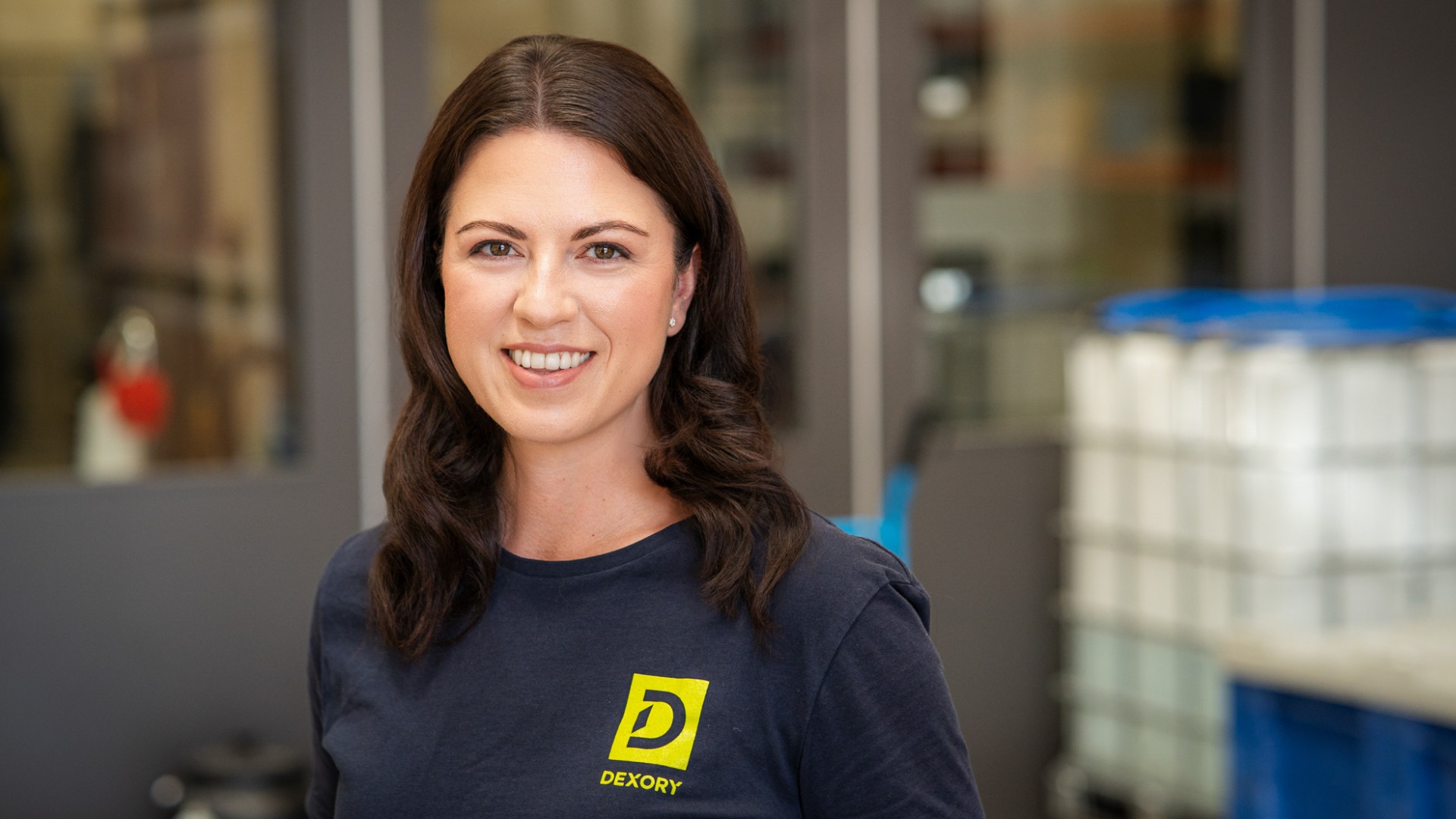
UK-based robotics and AI company Dexory has reached a major operational milestone, with its autonomous mobile robots scanning more than one billion warehouse locations globally. The company's core offering, the DexoryView platform, combines autonomous robots, computer vision, spatial AI, and digital twin technology to continuously track physical inventory. These specialized robots can scan full-height warehouse racking at heights of up to 18 meters, capturing data across more than 10,000 locations per hour to build a live digital representation of the facility.
For logistics practitioners, implementing this technology does not require major infrastructure overhauls. A typical deployment of the DexoryView system takes only two to five days, requiring just one or two Dexory team members on-site to map the facility and construct the digital twin. Once active, the robots run scheduled scanning missions. The platform integrates directly with existing warehouse management systems and enterprise resource planning software, allowing operators to instantly cross-reference physical reality with digital records to identify misplaced or damaged stock.
According to Dexory co-founder Oana Jinga, task-specific robots are currently far better suited for logistics than general-purpose humanoid robots because they prioritize reliability, safety, and measurable return on investment. The massive dataset generated from one billion scans helps train the company's proprietary warehouse models, improving anomaly detection and predictive capabilities across diverse layouts and packaging types. Jinga notes that this intelligence layer will eventually evolve from simple visibility to recommending and autonomously initiating corrective actions.
This transition to automated tracking is designed to augment human workers rather than replace them. By automating repetitive and physically demanding inventory checks, the technology allows warehouse employees to focus on complex problem-solving and operational management. To prepare for this shift, Jinga suggests that logistics companies must invest in digital skills, helping their workforces learn to use AI and robotics as tools that enhance their day-to-day expertise.
This is our own summary of reporting by Unite.AI


%22%3E%0A%3Cstop%20offset%3D%220%25%22%20stop-color%3D%22%23233043%22%2F%3E%3Cstop%20offset%3D%22100%25%22%20stop-color%3D%22%234c6180%22%2F%3E%0A%3C%2FlinearGradient%3E%3C%2Fdefs%3E%0A%3Crect%20width%3D%22800%22%20height%3D%22500%22%20fill%3D%22url(%23g)%22%2F%3E%0A%3Cg%20stroke%3D%22%23ffffff%22%20stroke-opacity%3D%220.10%22%20stroke-width%3D%222%22%3E%0A%3Cline%20x1%3D%22-200%22%20y1%3D%22500%22%20x2%3D%22100%22%20y2%3D%220%22%2F%3E%3Cline%20x1%3D%22-60%22%20y1%3D%22500%22%20x2%3D%22240%22%20y2%3D%220%22%2F%3E%3Cline%20x1%3D%2280%22%20y1%3D%22500%22%20x2%3D%22380%22%20y2%3D%220%22%2F%3E%3Cline%20x1%3D%22220%22%20y1%3D%22500%22%20x2%3D%22520%22%20y2%3D%220%22%2F%3E%3Cline%20x1%3D%22360%22%20y1%3D%22500%22%20x2%3D%22660%22%20y2%3D%220%22%2F%3E%3Cline%20x1%3D%22500%22%20y1%3D%22500%22%20x2%3D%22800%22%20y2%3D%220%22%2F%3E%3Cline%20x1%3D%22640%22%20y1%3D%22500%22%20x2%3D%22940%22%20y2%3D%220%22%2F%3E%3Cline%20x1%3D%22780%22%20y1%3D%22500%22%20x2%3D%221080%22%20y2%3D%220%22%2F%3E%0A%3C%2Fg%3E%0A%3Ctext%20x%3D%2248%22%20y%3D%22430%22%20font-family%3D%22Helvetica%2CArial%2Csans-serif%22%20font-size%3D%22132%22%20font-weight%3D%22800%22%0A%20fill%3D%22%23ffffff%22%20fill-opacity%3D%220.22%22%20letter-spacing%3D%22-4%22%3ETD%3C%2Ftext%3E%0A%3C%2Fsvg%3E)
