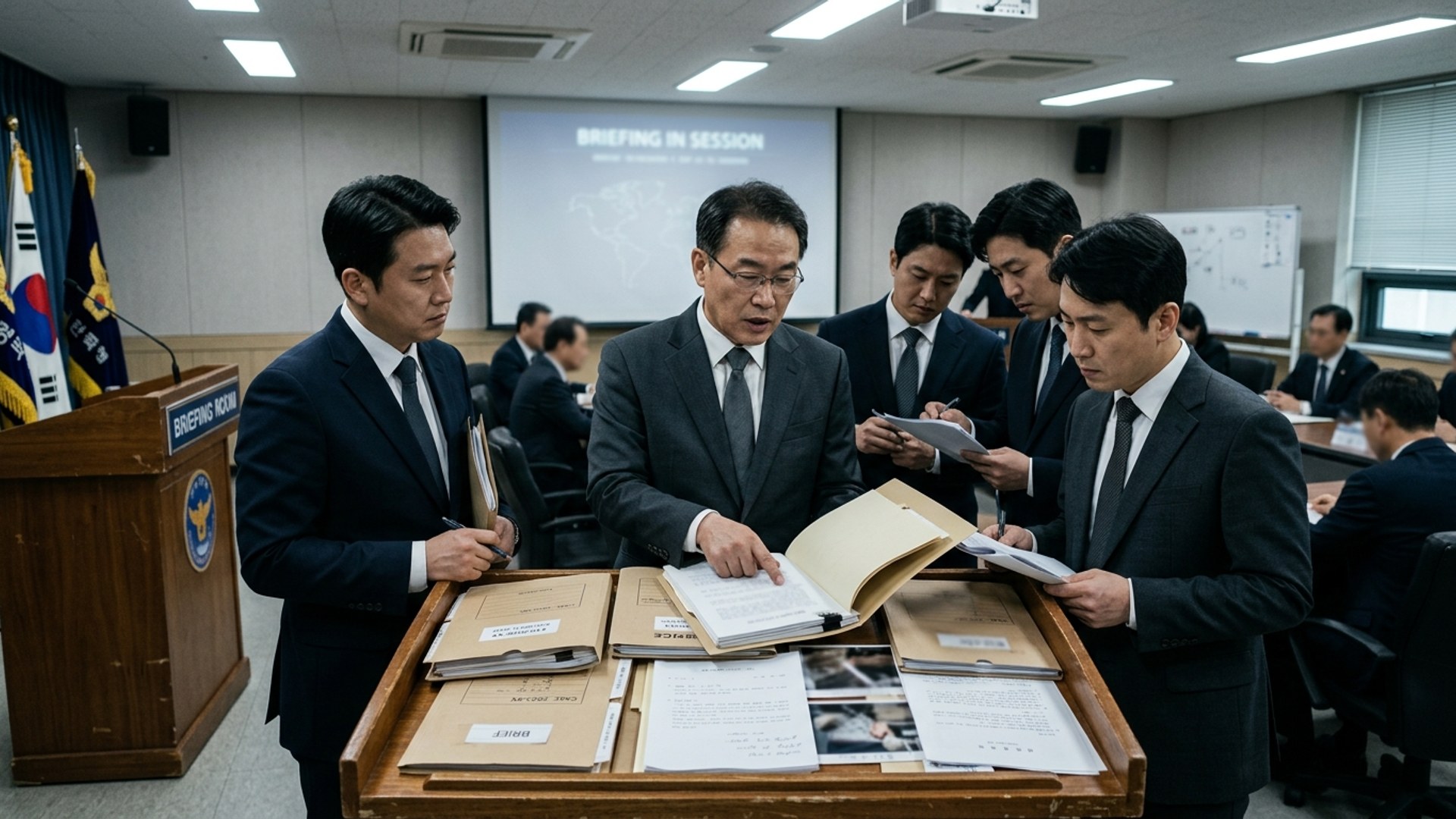
Taiwan Indicts Nvidia Manager in AI Server Smuggling Plot
Taiwan has indicted nine people, including an Nvidia manager, for allegedly smuggling restricted AI servers to China, exposing major vulnerabilities in global export controls.
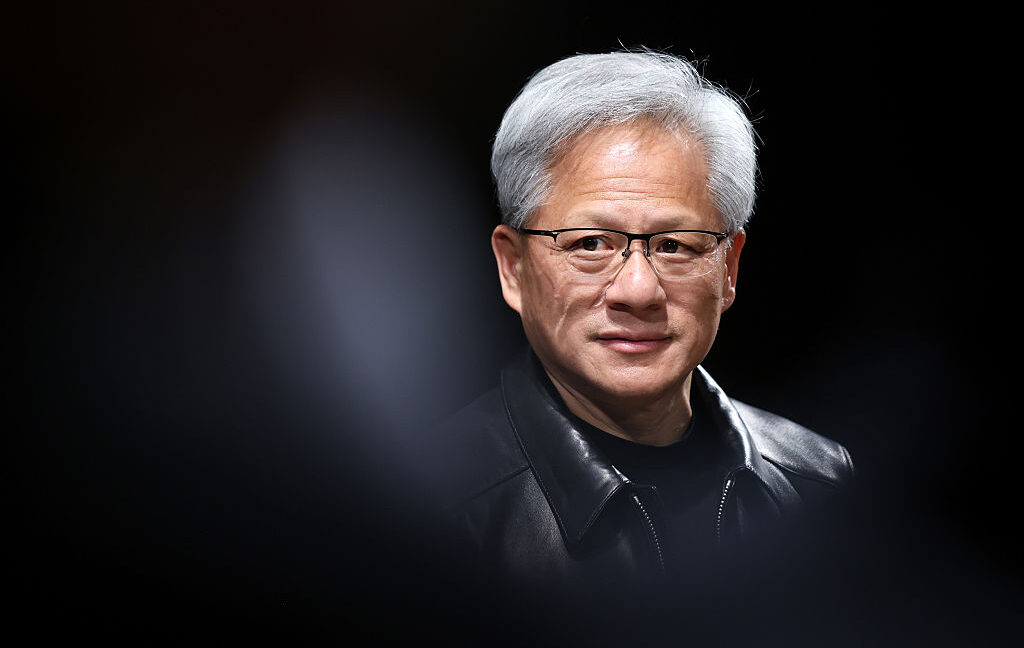
Taiwanese prosecutors have indicted nine individuals, including a senior manager from Nvidia and two employees from Supermicro, for allegedly forging documents to illegally export high-end artificial intelligence servers to China. The indictment follows a probe triggered by the March arrest of Supermicro co-founder Wally Liaw, who is accused of funneling $2.5 billion in restricted hardware to China since 2024. Investigators discovered that the co-conspirators falsified records to claim that 130 B300 servers were deployed at a facility in Taiwan. While Taiwanese customs officials blocked 56 of these servers after detecting irregularities, 74 of the units successfully reached Chinese buyers.
The illicit operation reportedly relied on a nameless Southeast Asian firm acting as a coordinator between the corrupt employees at Nvidia and Supermicro. This network allowed Chinese clients to bypass strict U.S. export controls established in 2022. In response to the investigation, Supermicro fired several employees linked to the scheme and stated it is cooperating with Taiwanese authorities. Nvidia CEO Jensen Huang had previously criticized Supermicro's compliance measures, urging partners to tighten regulations. The scandal has already triggered investor lawsuits against Supermicro over fears of fraudulent sales, even as Nvidia moves to raise its AI server prices by 15 percent.
For AI practitioners and enterprise buyers, this crackdown signals a dramatic tightening of supply chain compliance and hardware auditing. Organizations must prepare for more rigorous "know-your-customer" protocols and higher compliance costs. Furthermore, U.S. lawmakers are considering the Remote Access Security Act to close loopholes that allow Chinese entities to access Nvidia chips remotely. This is particularly critical as hyperscalers in Southeast Asia plan to expand from just two data centers today to 31 planned projects, meaning remote-access regulations will soon heavily impact cloud service providers and their global customers.
This is our own summary of reporting by Ars Technica AI