Neat CEO Javed Khan Pushes Edge AI Into Conference Rooms
Following his appointment as CEO of Neat, Javed Khan is steering the video collaboration firm toward edge-based AI to deliver faster, more private, and cost-effective meeting room experiences.
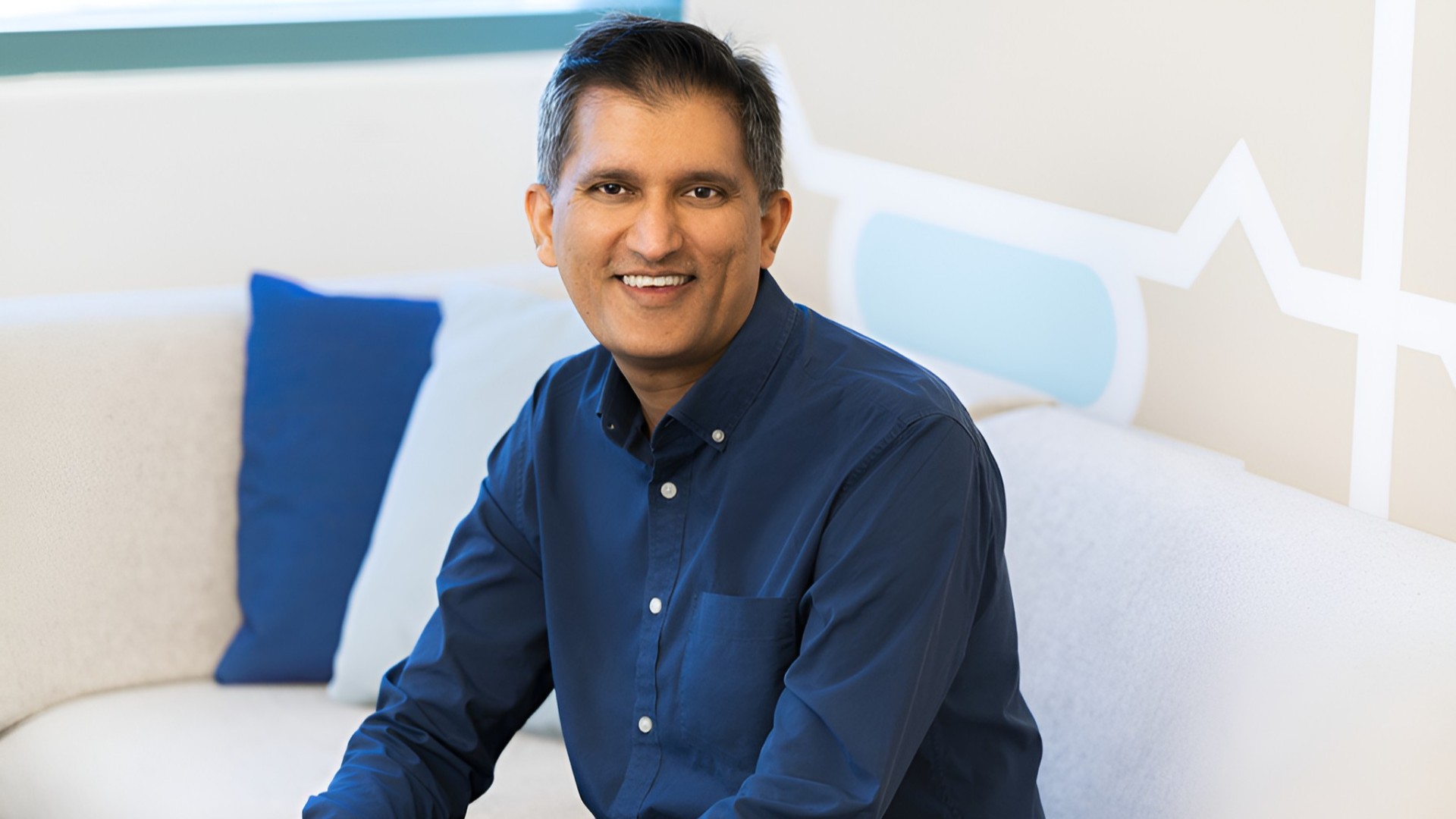
Newly appointed Neat CEO Javed Khan, who took the helm in March 2026, is driving a strategic shift toward edge-based artificial intelligence for the Oslo-based video collaboration company. Founded in 2019, Neat has already deployed more than 600,000 devices to 20,000 customers across 90 countries. Khan, drawing on his background of nine years at Cisco and 14 years at Symantec, believes that running smaller, highly optimized AI models directly on conference room hardware represents a fundamental shift away from cloud-dependent legacy architectures.
The company's hardware portfolio integrates with major collaboration platforms, including Microsoft Teams, Zoom, and Google Meet. By utilizing edge computing, Neat's devices run features like Intelligent Layouts and Intelligent Framing locally. This local processing eliminates the latency of cloud round-trips, ensuring real-time camera adjustments and audio optimization. Khan notes that this approach also reduces reliance on expensive cloud GPU infrastructure, offering significant cost savings for organizations managing large device fleets.
For IT practitioners and enterprise security teams, this edge-first architecture addresses critical data privacy concerns. Running on Neat OS—a purpose-built operating system featuring hardware-backed secure boot and strict process controls—all audio and visual AI processing occurs within volatile memory. This setup ensures zero data retention and zero cloud transmission of sensitive meeting content. Consequently, the local architecture simplifies compliance with strict regulatory frameworks, including HIPAA, SOC 2, CCPA, and CPRA.
Looking ahead, Khan envisions meeting rooms evolving into active nodes within continuous, intelligent workflows. As AI agents become more capable, they will handle pre-meeting preparation and post-meeting task distribution. By processing these workloads locally, the hardware acts as a secure, physical window for human-agent interaction, ultimately making the underlying technology invisible to the end user.
This is our own summary of reporting by Unite.AI


%22%3E%0A%3Cstop%20offset%3D%220%25%22%20stop-color%3D%22%23233043%22%2F%3E%3Cstop%20offset%3D%22100%25%22%20stop-color%3D%22%234c6180%22%2F%3E%0A%3C%2FlinearGradient%3E%3C%2Fdefs%3E%0A%3Crect%20width%3D%22800%22%20height%3D%22500%22%20fill%3D%22url(%23g)%22%2F%3E%0A%3Cg%20stroke%3D%22%23ffffff%22%20stroke-opacity%3D%220.10%22%20stroke-width%3D%222%22%3E%0A%3Cline%20x1%3D%22-200%22%20y1%3D%22500%22%20x2%3D%22100%22%20y2%3D%220%22%2F%3E%3Cline%20x1%3D%22-60%22%20y1%3D%22500%22%20x2%3D%22240%22%20y2%3D%220%22%2F%3E%3Cline%20x1%3D%2280%22%20y1%3D%22500%22%20x2%3D%22380%22%20y2%3D%220%22%2F%3E%3Cline%20x1%3D%22220%22%20y1%3D%22500%22%20x2%3D%22520%22%20y2%3D%220%22%2F%3E%3Cline%20x1%3D%22360%22%20y1%3D%22500%22%20x2%3D%22660%22%20y2%3D%220%22%2F%3E%3Cline%20x1%3D%22500%22%20y1%3D%22500%22%20x2%3D%22800%22%20y2%3D%220%22%2F%3E%3Cline%20x1%3D%22640%22%20y1%3D%22500%22%20x2%3D%22940%22%20y2%3D%220%22%2F%3E%3Cline%20x1%3D%22780%22%20y1%3D%22500%22%20x2%3D%221080%22%20y2%3D%220%22%2F%3E%0A%3C%2Fg%3E%0A%3Ctext%20x%3D%2248%22%20y%3D%22430%22%20font-family%3D%22Helvetica%2CArial%2Csans-serif%22%20font-size%3D%22132%22%20font-weight%3D%22800%22%0A%20fill%3D%22%23ffffff%22%20fill-opacity%3D%220.22%22%20letter-spacing%3D%22-4%22%3ETD%3C%2Ftext%3E%0A%3C%2Fsvg%3E)
